West
Galleries
Two participatory gallery halls connect through wide, step-free thresholds. Seating is planned at each entrance and midway through longer experiences.
Make room for wonder
Start with one vivid exhibit, leave time to make something, and keep a quiet pause between them. Your saved itinerary is designed to stay in this browser while you explore the preview.
Saved in this browser
Items added elsewhere in the preview appear here from local storage. Reorder your day around energy, access needs, and the moments you most want to protect.
Nothing saved yet
When you add an exhibit or event from another preview page, it will appear here with its duration. For now, use the planning information below to shape a flexible visit.
Saved item
Fictional preview hours
Orbit Yard does not yet operate at a real address. Use these hours and directions only to preview the level of planning detail a future venue would provide.
Arrival buffer: aim for 20–30 minutes before any timed programme. A real opening calendar, holiday closures, capacity notices, and transport disruptions would always override this preview.
Illustrative orientation
This diagram explains relationships between spaces, not geographic position or scale. All public destinations connect to the step-free orbit route.
West
Two participatory gallery halls connect through wide, step-free thresholds. Seating is planned at each entrance and midway through longer experiences.
North
The supervised Maker Hall and quieter Learning Lab share a tool check-in point. Access depends on programme induction and safe capacity.
East
The canteen faces the court. The enclosed Quiet Cove sits beyond it, away from the busiest gallery thresholds.
South
Visitor welcome, toilets, family care, small-item storage, and the primary accessible exit stay close to the arrival point. Emergency exits would be signed throughout.
Pause, refuel, reset
Four distinct spaces are imagined to make a long, active science visit more manageable.
Rest
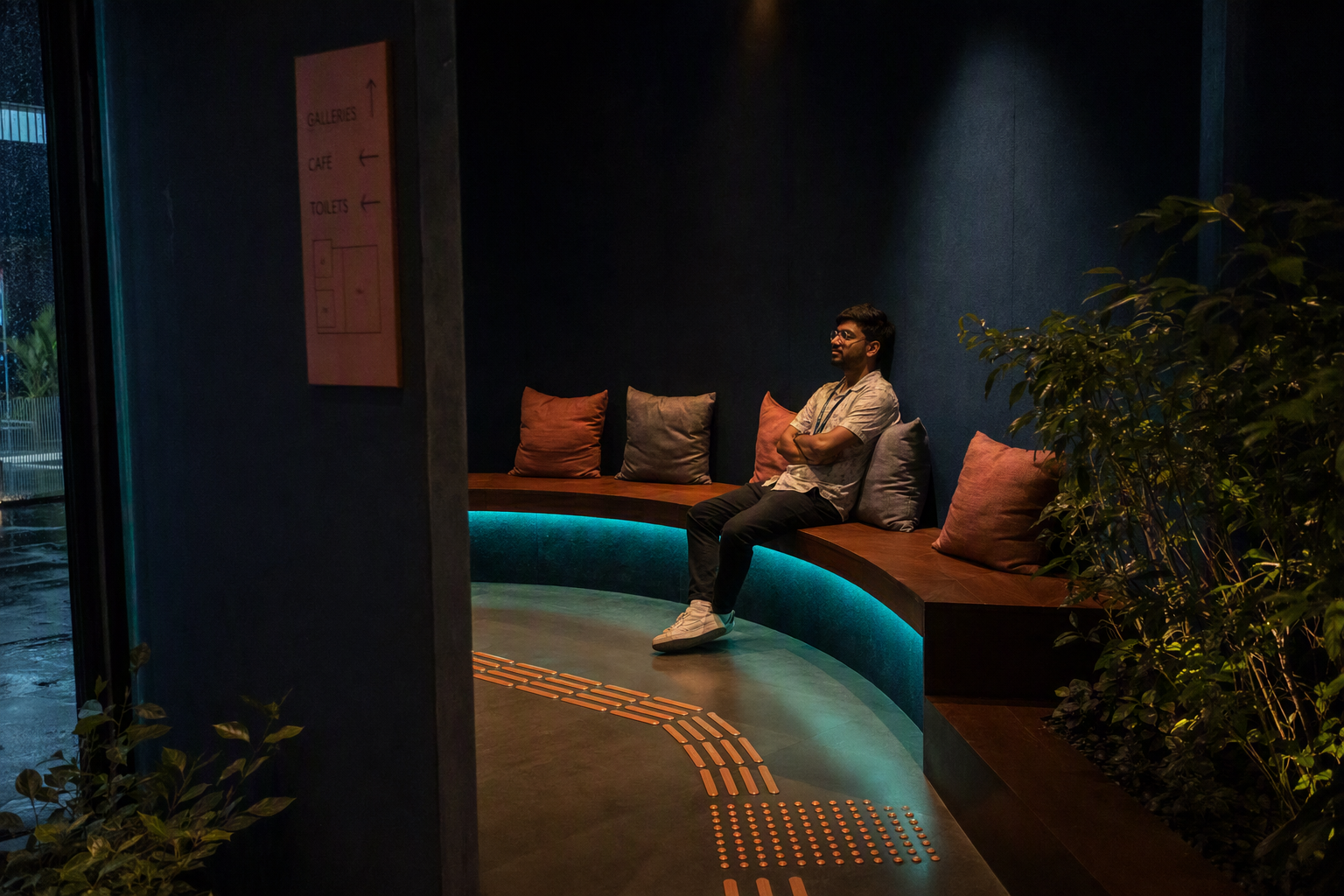
A low-stimulus room with dimmable local lighting, high-backed seating, space beside seats for mobility devices, and no phone calls. Visitors may enter without explaining why. It is a reset space, not a clinical or supervised care room.
Food
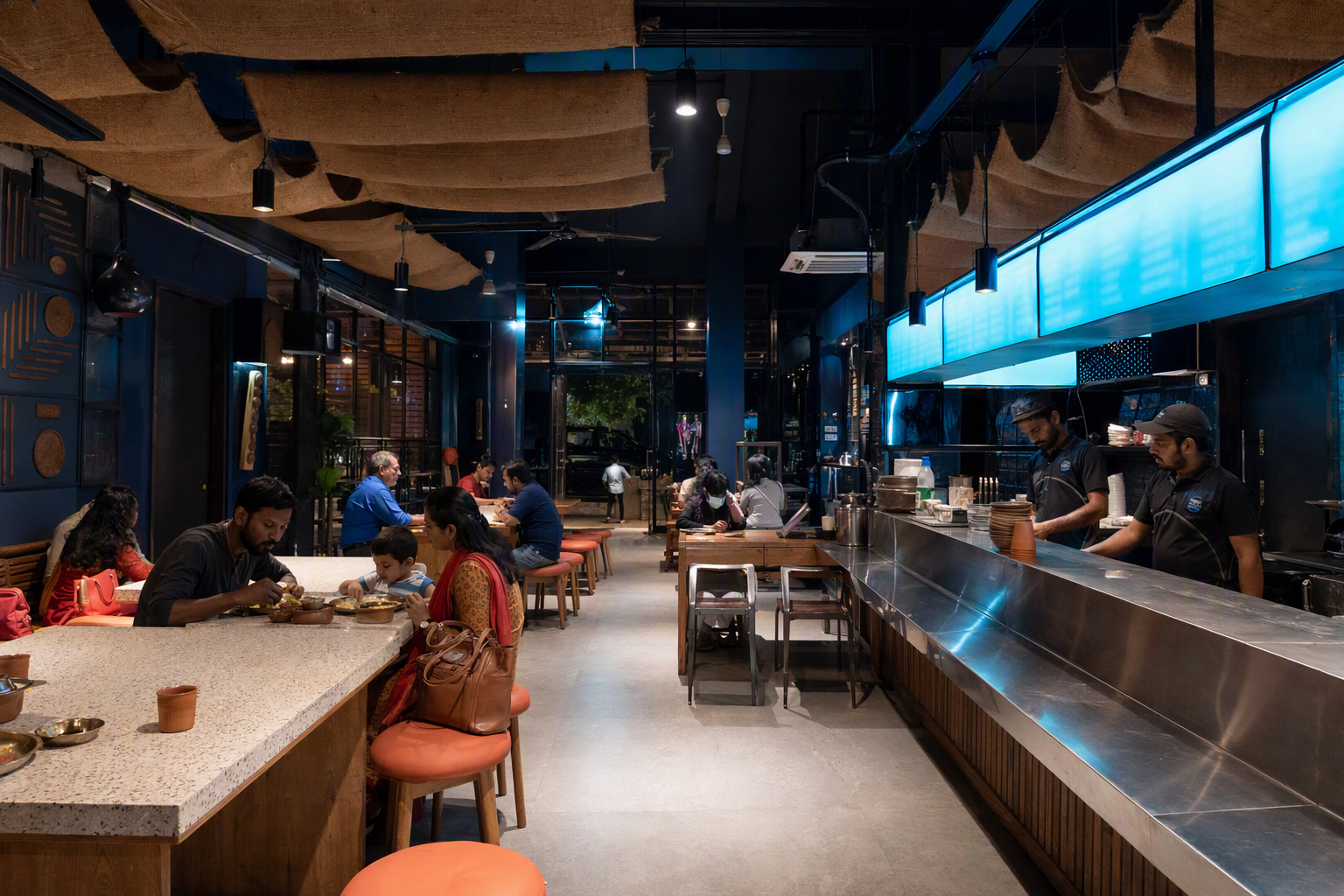
The concept menu centres seasonal Bangladeshi snacks, simple rice and dal plates, fruit, tea, and drinking-water refills. Ingredient cards would identify major allergens, but a shared kitchen could not promise an allergen-free environment.
Family care
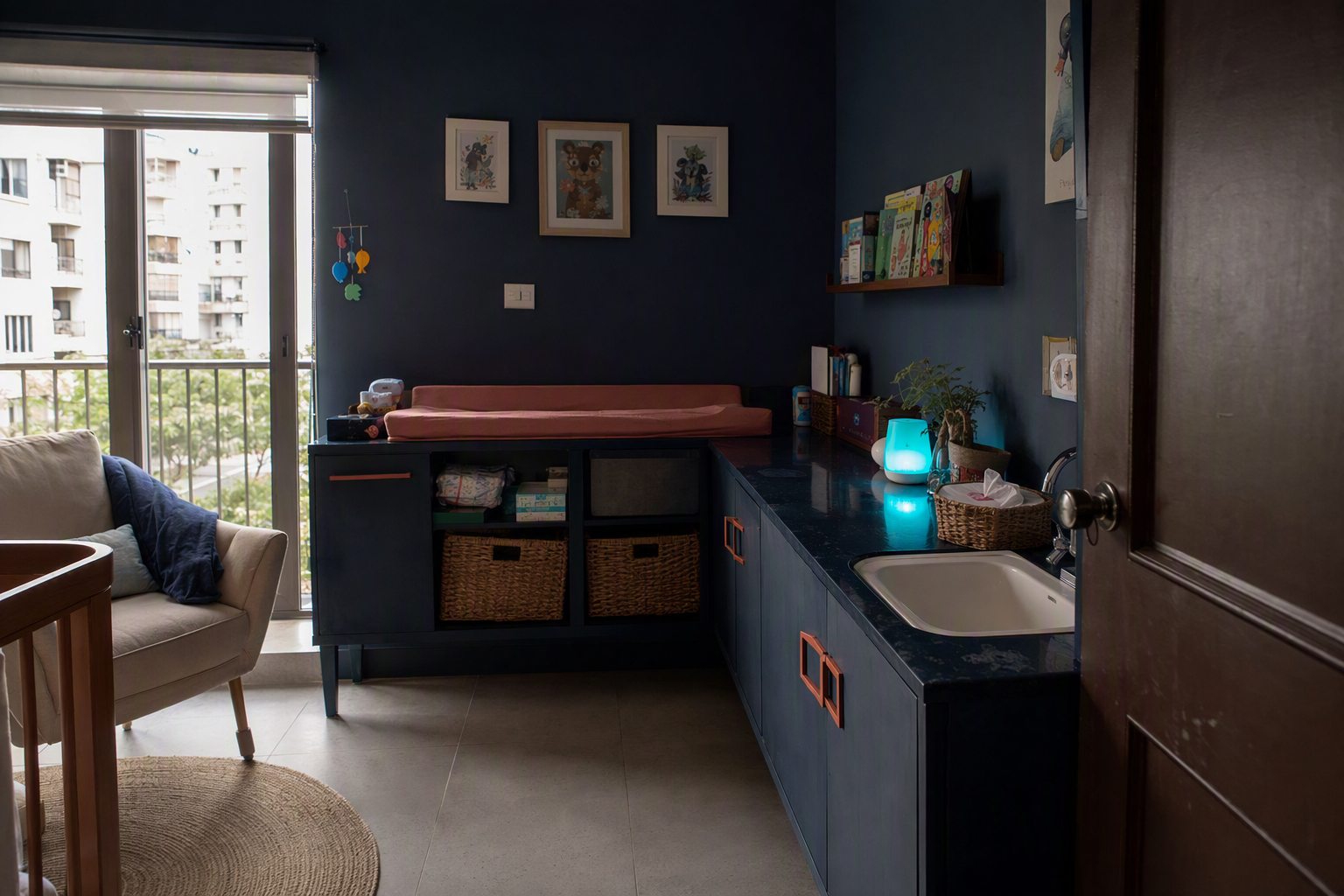
A private, all-gender room is planned with an adult-sized adjustable changing bench, baby-change surface, sink, supportive chair, low hooks, and space for a pram or wheelchair. Feeding would be welcome anywhere seating is available.
Maker support
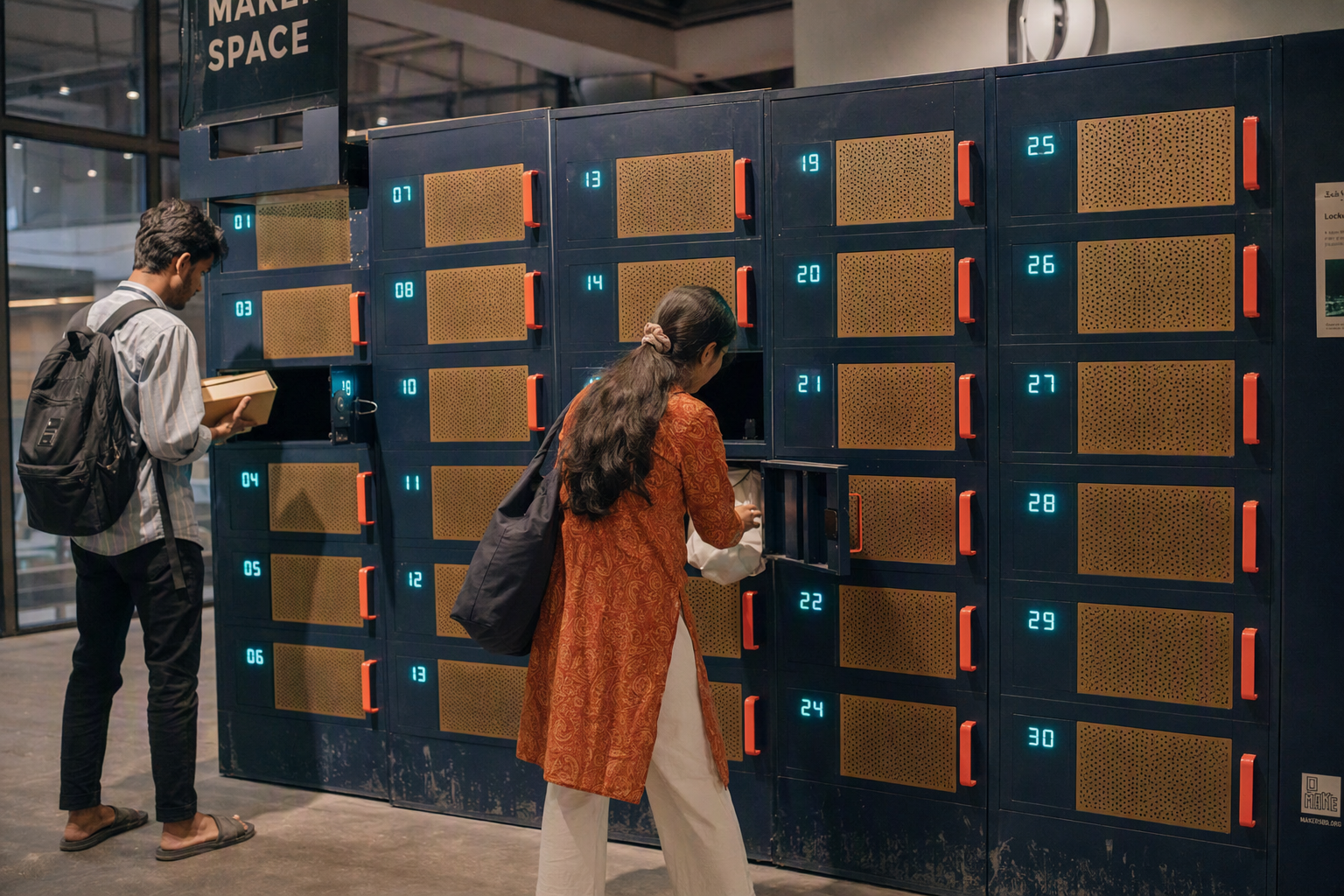
Small day lockers would hold bags and safe personal materials during maker sessions. Oversized luggage, hazardous substances, wet materials, and unattended projects would not be accepted. Loan tools stay within supervised spaces.
Good to know
These preview policies show the clarity Orbit Yard would aim for. They are not current venue rules because the campus and programme are fictional.
A real pre-visit guide should publish lift dimensions, thresholds, toilet specifications, seating locations, hearing support, captioning, tactile interpretation, assistance-animal relief areas, and quieter-session dates. None should be assumed until verified.
Visitors aged 12 and younger would need to remain with a responsible adult. Teen programmes with independent participation would state check-in, collection, and safeguarding arrangements separately. Interactive tools must be used at the marked age level and with facilitator instructions.
Keep aisles and experiment zones clear. Large bags would go in lockers where capacity allows. Knives, soldering tools, chemicals, compressed gases, exposed batteries, and biological samples could not be brought into public spaces. Staff may stop unsafe materials from entering.
Personal, non-flash photography would generally be welcome unless a sign says otherwise. Ask before photographing other visitors, especially children. Tripods, lighting rigs, commercial shoots, and extended recording would require advance permission. Some prototypes may be camera-free.
Several exhibits are imagined with projected light, moving images, spatial audio, vibration, and sudden experiment sounds. Threshold signs would identify intense effects. Ear defenders, seating, alternate routes, and the Quiet Cove are planned, but exact conditions would vary by programme.
Covered drinks would be welcome in the court and canteen, not near exhibits, tools, specimens, or electrical benches. Drinking-water refill points are part of the concept. Essential food or drink required for medical reasons would be accommodated safely.
Orbit Yard is an invented cultural concept. There is no operating venue, verified address, live calendar, ticket inventory, booking system, or guaranteed facility. Do not travel based on this page. A real launch would replace preview content with verified, dated information.